Unlock Your Dogs Prospective: A Comprehensive Guide to Efficient Dog Training Methods
Revealing a dog's potential includes more than basic obedience. It calls for a profound understanding of canine behavior and effective training techniques. Positive support plays an important function in promoting a strong bond and encouraging desired habits. In addition, socializing and resolving behavior problems are necessary parts. As proprietors check out these techniques, they will uncover the subtleties that bring about a certain and well-adjusted canine buddy. The trip to efficient training is simply starting.
Understanding Your Dog's Habits
Comprehending a dog's habits is vital for efficient training and communication. Pets, as social pets, show different behaviors that can show their emotions and requirements. Observing body language, such as tail position, ear alignment, and pose, supplies understandings into a dog's state of mind-- whether they are unwinded, anxious, or hostile. Furthermore, vocalizations like barking, whining, or growling communicate different definitions, often showing their state of mind. Identifying these signals enables owners to respond suitably, fostering a more powerful bond. Socialization experiences additionally shape behavior, affecting exactly how pets communicate with various other pets and people. By thoroughly comprehending these behavior hints, owners can develop a more unified setting, causing more successful training results and boosted communication with their canine buddies.
Favorable Reinforcement Training
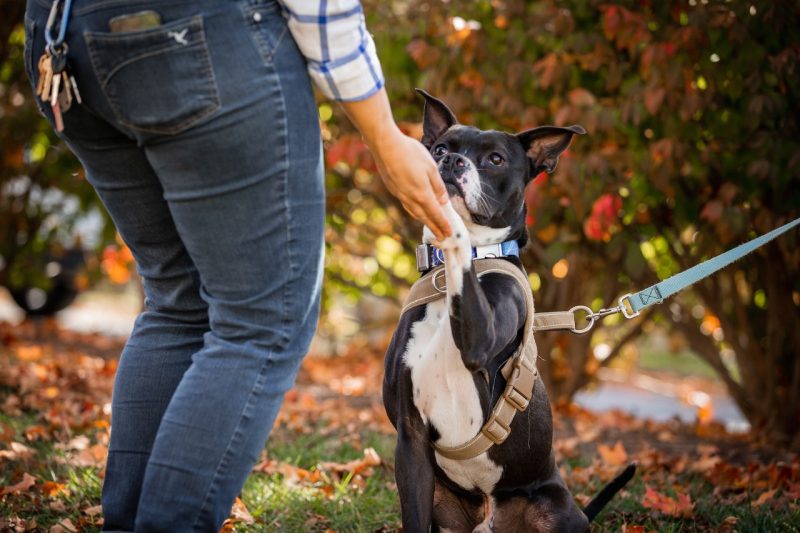
Benefits of Favorable Support
Caring training methods have actually acquired substantial recognition in the area of canine training, specifically via the usage of favorable reinforcement. This approach stresses gratifying wanted behaviors instead than penalizing undesirable ones. The advantages of positive reinforcement are various. To begin with, it cultivates a strong bond between the pet and handler, promoting trust fund and teamwork. In enhancement, canines educated utilizing this method are usually much more determined to learn, as they associate training with favorable experiences. Furthermore, favorable support can bring about resilient behavior adjustments, as it urges canines to repeat habits that produce incentives. This method decreases tension and stress and anxiety, producing a much more pleasurable learning environment. In general, the effectiveness of positive reinforcement makes it a preferred option among canine fitness instructors and owners alike.
Methods for Effective Training
Efficient training methods build on the foundations laid by positive reinforcement. This method encourages wanted actions through rewards, fostering a positive understanding setting. Methods such as clicker training and treat-based rewards successfully connect to pet dogs what actions are valued. Consistency is important; commands should be clear and benefits immediate, enhancing the connection in between habits and end result. Furthermore, varying incentives-- utilizing treats, appreciation, or play-- can preserve a dog's motivation. Including short training sessions boosts emphasis and retention, while progressively enhancing difficulty assists dogs construct self-confidence. Socialization with various other dogs and individuals can also be incorporated, enabling real-world practice of discovered behaviors. Eventually, these methods create a solid bond in between pet dog and proprietor, assisting in efficient interaction and shared understanding.
Standard Commands Every Dog Ought To Know
A strong foundation of standard commands is essential for every single dog, as it promotes interaction between the owner and the family pet. Secret commands consist of "sit," "remain," "come," "down," and "leave it." These commands not only establish a structure for obedience but likewise enhance security throughout strolls and outings. Showing "rest" supplies a basic way for dogs to reply to demands, while "remain" enhances patience. The command "come" is vital for assuring a dog returns when called, reducing the danger of crashes. "Down" urges peace, and "leave it" aids prevent undesirable actions, such as scavenging. Consistent training with positive support guarantees that dogs understand and react dependably, eventually enhancing the bond between owner and animal.
Socializing: The Key to a Well-Adjusted Dog
Socialization functions as a cornerstone in developing a well-adjusted canine, shaping behaviors that advertise consistency in various environments. Via direct exposure to various people, animals, and setups, pet dogs discover to navigate social interactions and create self-confidence. Early socializing, ideally during the essential duration between 3 to 14 weeks of age, permits young puppies to form positive associations, reducing the chance of anxiety and stress and anxiety later on in life. Engaging in puppy courses, supervised playdates, and differed trips can improve a dog's versatility and reduce sensitivity. In addition, ongoing social experiences throughout a dog's life are essential for preserving their social abilities. By focusing on socialization, proprietors promote a balanced, pleasant companion that prospers in varied circumstances.
Dealing With Behavioral Issues
Many pet dogs experience behavioral concerns that can disrupt their partnership with owners and impede their overall wellness. Common issues consist of excessive barking, eating, and aggression, which often originate from fear, anxiousness, or absence of training. Determining the origin is crucial for efficient treatment. Regular training and positive reinforcement can aid customize unwanted behaviors. Fulfilling calm habits can minimize barking, while giving suitable chew toys can prevent devastating eating. Additionally, creating a structured routine can improve a dog's complacency, bring about improved behavior. Owners should stay patient and understanding, as addressing these issues may need time and perseverance. With the appropriate approach, numerous behavioral issues can be effectively handled, promoting a much healthier bond between pet and proprietor.
Advanced Training Techniques for Enthusiastic Learners
Advanced training techniques can raise the abilities of enthusiastic students and their canine buddies. Techniques such as clicker training, agility fundamentals, and progressed obedience abilities supply structured techniques to enhance communication and efficiency (Professional Dog Training Freeport FL). These methods not only foster a more powerful bond in between canine and trainer however additionally give psychological stimulation for the pet
Remote Control Training Methods
Remote control training has actually become a preferred and effective technique for pet trainers looking for to enhance their canine companions' discovering experience. This favorable support technique utilizes a small portable tool that sends out a distinctive sound, marking preferred actions quickly. By connecting the audio of the clicker with incentives, such as treats or praise, pet dogs promptly learn to connect specific actions with favorable end results.

Trainers can utilize remote control training for various commands, tricks, and even dealing with behavioral helpful site problems. Uniformity is essential; each click ought to be followed by a reward to strengthen the behavior. Dog Training Freeport Florida. Additionally, this method fosters a bond between the instructor and dog, as it urges interaction and understanding. With practice, both beginner and seasoned trainers can effectively implement remote control training strategies
Agility Training Fundamentals
Structure on the concepts of favorable support exemplified in remote control training, dexterity training presents pets to a series of barriers designed to check their coordination, responsiveness, and speed. This dynamic sporting activity consists of numerous components, such as dives, passages, and weave poles, motivating pets to navigate with courses with precision. Trainers play an important duty, utilizing verbal signs and body movement to guide their pet dogs efficiently. Preliminary training concentrates on familiarizing canines with each challenge, guaranteeing they really feel inspired and certain. As pets progress, they find out to finish whole training courses, improving their physical health and fitness and psychological acuity. Ultimately, agility training not only promotes a deeper bond between pet dog and trainer however likewise offers an electrifying outlet for a dog's power and knowledge.
Advanced Obedience Abilities
While several canine proprietors begin with fundamental directory commands, delving into sophisticated obedience skills can considerably boost a dog's training experience and responsiveness. Advanced skills such as off-leash heeling, distance commands, and intricate techniques not just challenge the dog emotionally yet likewise enhance the bond in between the proprietor and their family pet. Strategies like remote control training, pen training, and positive support are important in this phase. Uniformity and patience are critical, as dogs call for time to master these skills. Integrating diversions throughout training sessions can improve focus and reliability. Taking part in advanced obedience not only makes training enjoyable yet also cultivates a confident and hospitable canine companion, all set to deal with new difficulties with enthusiasm.
Frequently Asked Inquiries
Just how Lengthy Does It Take to Train a Pet Dog Properly?
Training a dog effectively can take anywhere from a couple of weeks to a number of months, depending upon factors like the dog's age, breed, temperament, and the uniformity of the training methods applied by the check out this site proprietor.
Can Older Dogs Learn New Tricks?
Yes, older pet dogs can find out new methods. With persistence, consistency, and positive support, they often adjust well to training. Their willingness to learn might surprise their owners, showing that age does not restrict discovering possible.
What Should I Do if My Dog Rejects to Listen?
If a dog declines to listen, the owner ought to continue to be calm and patient, reassess the training technique, guarantee diversions are reduced, and think about utilizing favorable support strategies to motivate wanted actions successfully. Puppy Training Freeport FL.
How Do I Maintain My Dog's Training With time?
To maintain a dog's training gradually, constant reinforcement of found out commands, normal technique sessions, and favorable benefits are necessary. In addition, including training into day-to-day regimens maintains abilities fresh and reinforces the bond between owner and canine.
Exist Any Training Approaches to Avoid?
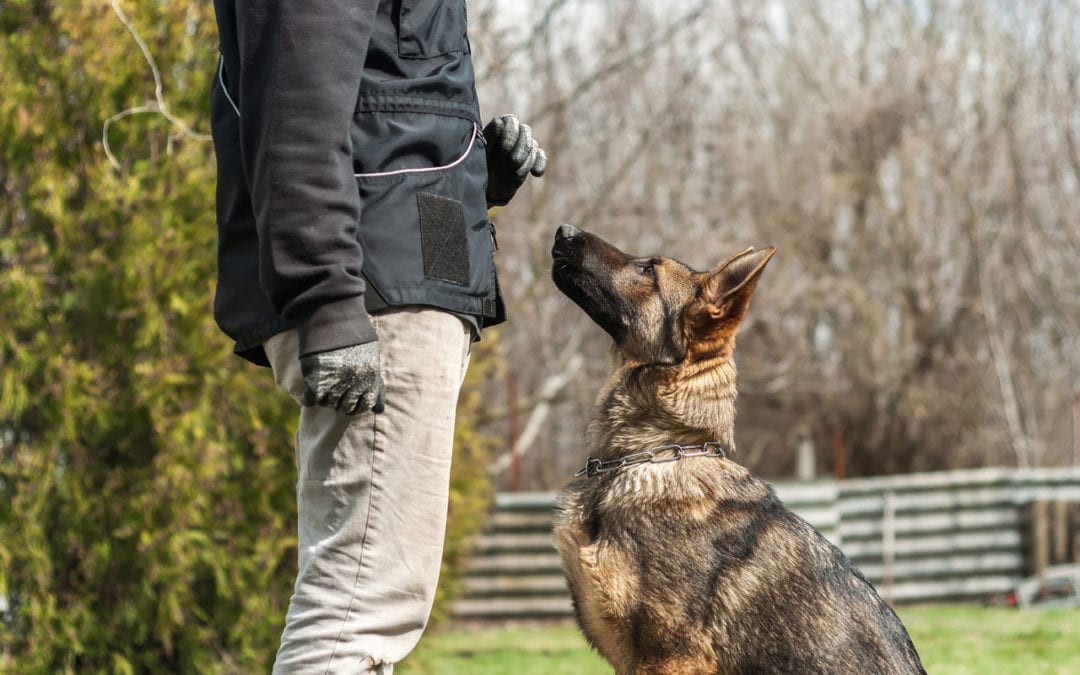
Specific training techniques need to be prevented, such as those utilizing physical penalty, scare tactics, or extreme pressure. Favorable reinforcement techniques are advised instead, cultivating trust fund and a healthy and balanced bond in between the canine and its proprietor.
Thoughtful training approaches have actually obtained considerable acknowledgment in the area of pet dog training, specifically through the usage of favorable support. In addition, pet dogs educated using this method are commonly much more inspired to discover, as they associate training with positive experiences. Structure on the concepts of positive support exemplified in remote control training, agility training presents canines to a collection of barriers designed to check their responsiveness, speed, and control. While many pet proprietors start with fundamental commands, diving into advanced obedience abilities can significantly boost a dog's training experience and responsiveness. To keep a dog's training over time, constant support of learned commands, routine technique sessions, and positive incentives are important.
Comments on “When Dog Training Freeport Florida implements socialization to prevent long-term behavior issues”